-
Microsoft Fabric vs Azure Databricks in 2026: How to Choose
Fabric or Databricks? Both are excellent lakehouses on open Delta tables, and they overlap more every quarter. A practitioner’s comparison of governance, BI, AI agents, pricing models and skills, plus how to…
-
Microsoft Fabric Features and Their Availability as of October 2026
GA, preview or just announced? A table of 40 major Microsoft Fabric features, from Fabric IQ and data agents to OneLake, Real-Time Intelligence and SQL database, with each status checked…
-
FabCon Barcelona 2026: The Key Takeaways in Plain English
FabCon and SQLCon 2026 in Barcelona brought a flood of Fabric announcements. Here are the seven takeaways that matter for data teams, explained simply, from Fabric IQ in Copilot to…
-
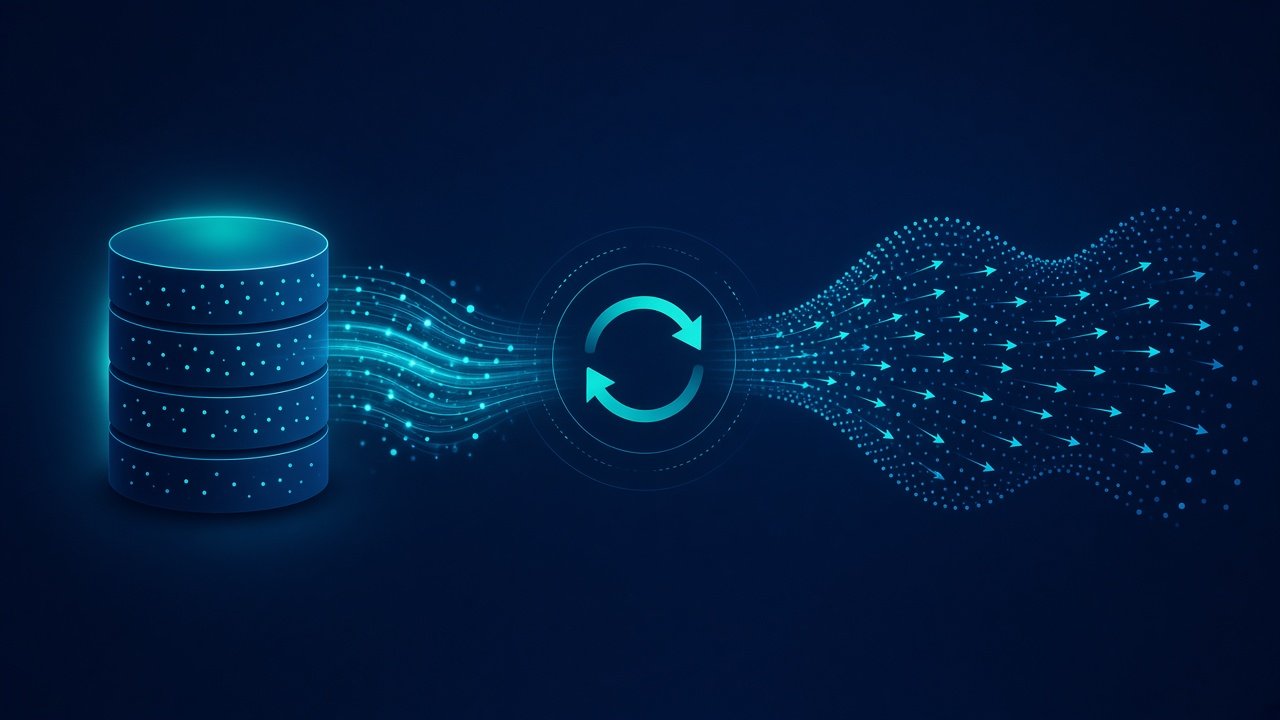
OmniVec: Microsoft’s Open-Source Answer to Keeping Embeddings in Sync
Microsoft has open-sourced OmniVec, a platform that keeps vector embeddings in sync with operational data on Azure. Here’s how it works and whether it’s worth a pilot.
-

Developer’s Life in the Age of AI Agents
AI agents are becoming part of the everyday toolkit for software and data engineers. They can explain an unfamiliar code path, draft a test, suggest a SQL query, summarize a…
-
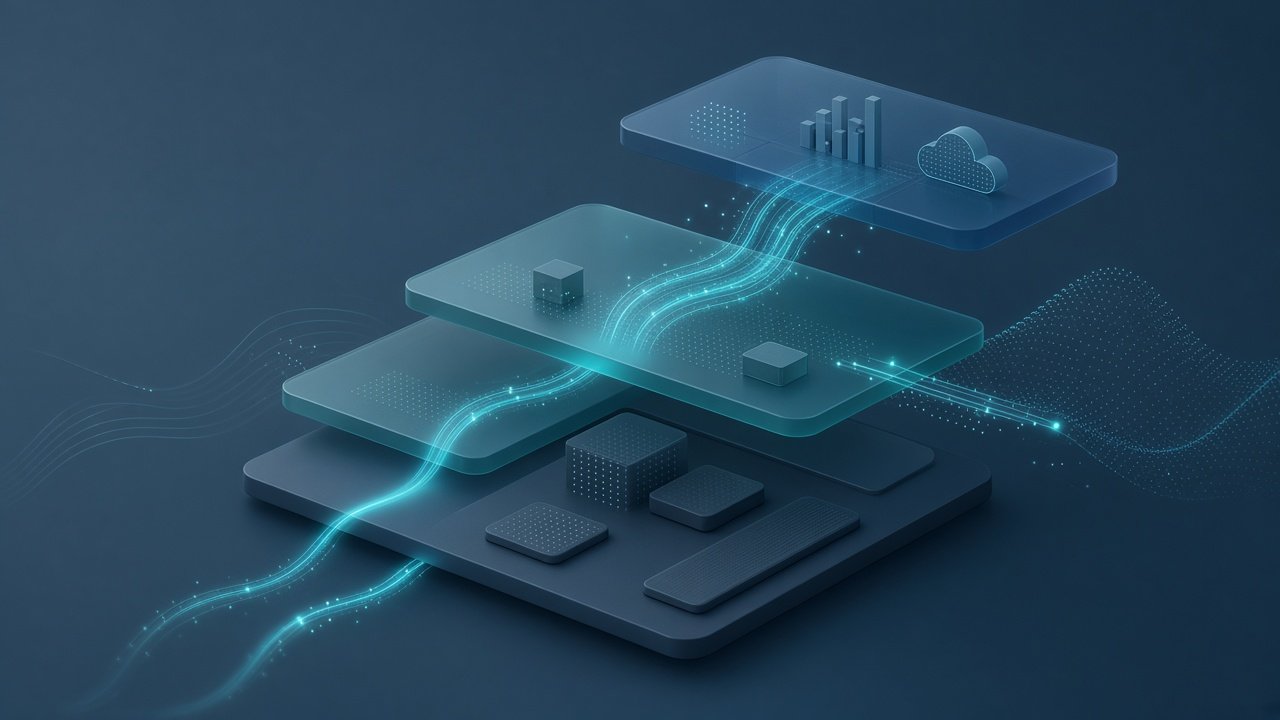
Building a Modern Data Platform on Azure
Building a modern data platform on Azure is less about selecting a single service and more about connecting capabilities into an operating model. The platform should make trusted data easier…
-
Azure Databricks Lakehouse Fundamentals
Azure Databricks gives teams a flexible way to build a lakehouse: a data architecture that combines the openness and scale of a data lake with the reliability and performance expected…
-
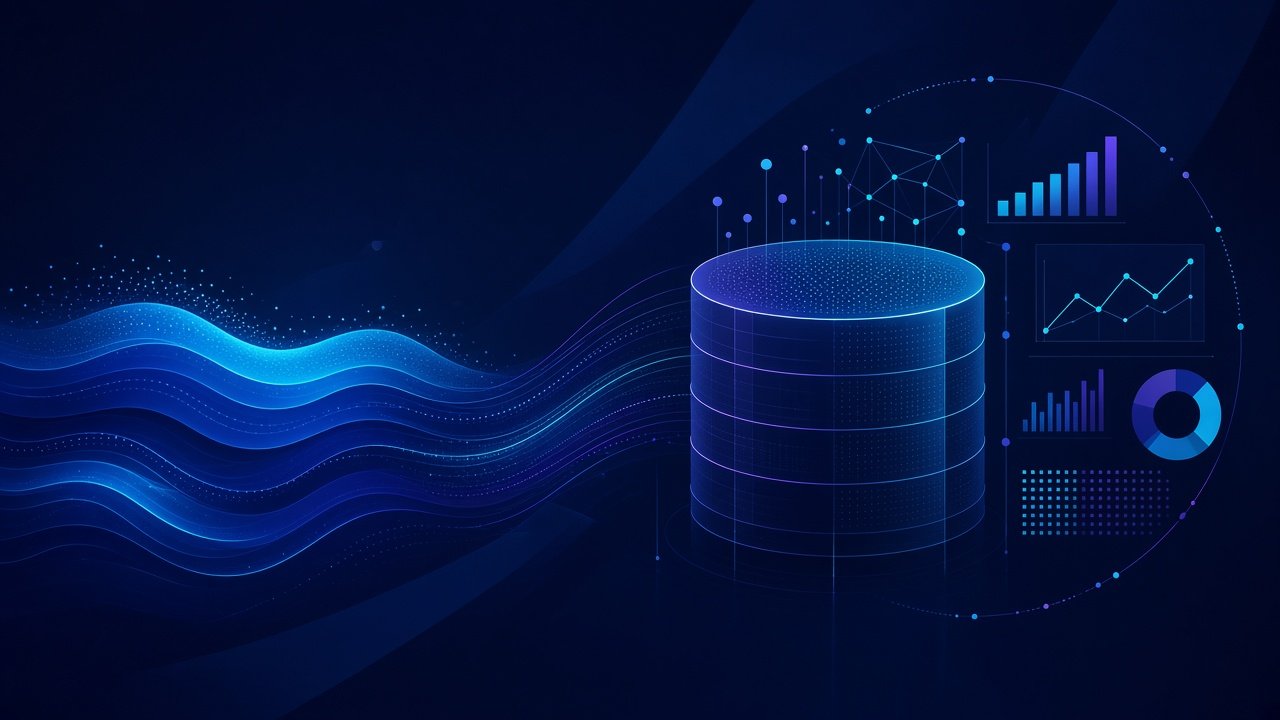
Microsoft Fabric for Modern Analytics Teams
Microsoft Fabric has changed the conversation about modern analytics. Instead of stitching together a long list of disconnected services, teams can work from a unified SaaS platform that brings data…
B
Bipin | Data AI Architect
Insights on modern data & AI from a Data & AI Architect with 25+ years building enterprise data platforms, lakehouses and AI solutions.
Featured Posts
Featured Tips
Featured Tutorials
Explore Categories
AI & Agents (2) Databricks (1) Microsoft Fabric (3) Modern Data Platforms (2) Tips (5) Tutorials (5)
Have a Question?
Curious about Fabric, Databricks or AI agents? I’m happy to share what I’ve learned.